We’re not naturally wired for patience, and our search for instant gratification makes us bad investors. If you look at your existing investments, the biggest risk isn’t volatility; it’s the person staring back at you in the mirror.
Many individuals start investing with high hopes, only to find themselves repeating the same mistakes. It’s a harsh reality when people find they might be bad investors. The upside is that this is primarily due to psychological factors and discipline, and this guide explores the traps your portfolio faces for long-term wealth.
What constitutes a bad investor
A bad investor is someone whose behavioral patterns push him to take actions that affect his portfolio. Even experienced traders or investors will lose money on a single trade; the difference is how they approach investing on a longer scale.
You can be seen as someone bad at investing when you lack a coherent strategy, focus on big wins rather than small compounding ones, or are emotional. It’s someone who views investing as a casino and consistently switches tactics after each read article.
While these features should be used to learn and apply strategies, a bad investor will rapidly shift between their beliefs. For example, if you change every time Bitcoin dips or a new altcoin trends, you are likely falling into this category.
Emotions affect investments and decisions
Behavioral finance shows that by default, humans are not wired to be good investors. Because of our instincts, we prefer to avoid uncertainty, which makes us bad at managing a crypto or stock portfolio.
The pain of losing $1,000 is twice as powerful as the joy of gaining $1,000, which causes investors (good or bad) to panic at times and sell. Fear of losing is what makes people bad investors. And it’s not just one case; it’s a larger sample of people, where, on the flip side, greed drives investors to chase unsustainable returns, leading them to trade on hope rather than reason.
Emotional investors often make decisions to chase excitement. Rather than relying on data and fundamental analysis, they depend on intuition and gut feelings.
The role education and self-awareness play in bad investments
Another important factor explaining why people struggle with investing is the failure to prioritize knowledge before they start trading. Without understanding the rules of the game, any investor is bound to lose.
While some lucky individuals may profit temporarily, understanding the framework of why markets move helps investors distinguish between short-term price action and macro-level events. Without this knowledge, every sign of volatility is perceived as a catastrophe, leading to emotion-based decisions. At the same time, self-awareness serves as a vital tool, helping investors identify their emotional triggers and acknowledge them when trading.
The difference between a bad and a good investor
The difference between a good and a bad investor lies in their skill level, but, more importantly, in how they manage their temperament. It’s not about IQ, it’s about emotional control.
When FUD is spread in the markets, bad investors react impulsively to headlines and make short-term decisions. One explanation is exiting a position just to re-enter minutes later when the market recovered. When losses inevitably occur, the bad investor avoids self-reflection and instead blames external factors, such as “market manipulation” or bad luck, for their poor financial outcomes.
A good investor, on the other hand, follows a pre-determined plan. Even good investors are emotional, but they quickly become aware of it. They take responsibility for every decision they make, whether it’s a win or a loss, and always reflect on their actions. Good investors, know that boredom is often a sign of a sound strategy.
Traits of a bad investor behaviour
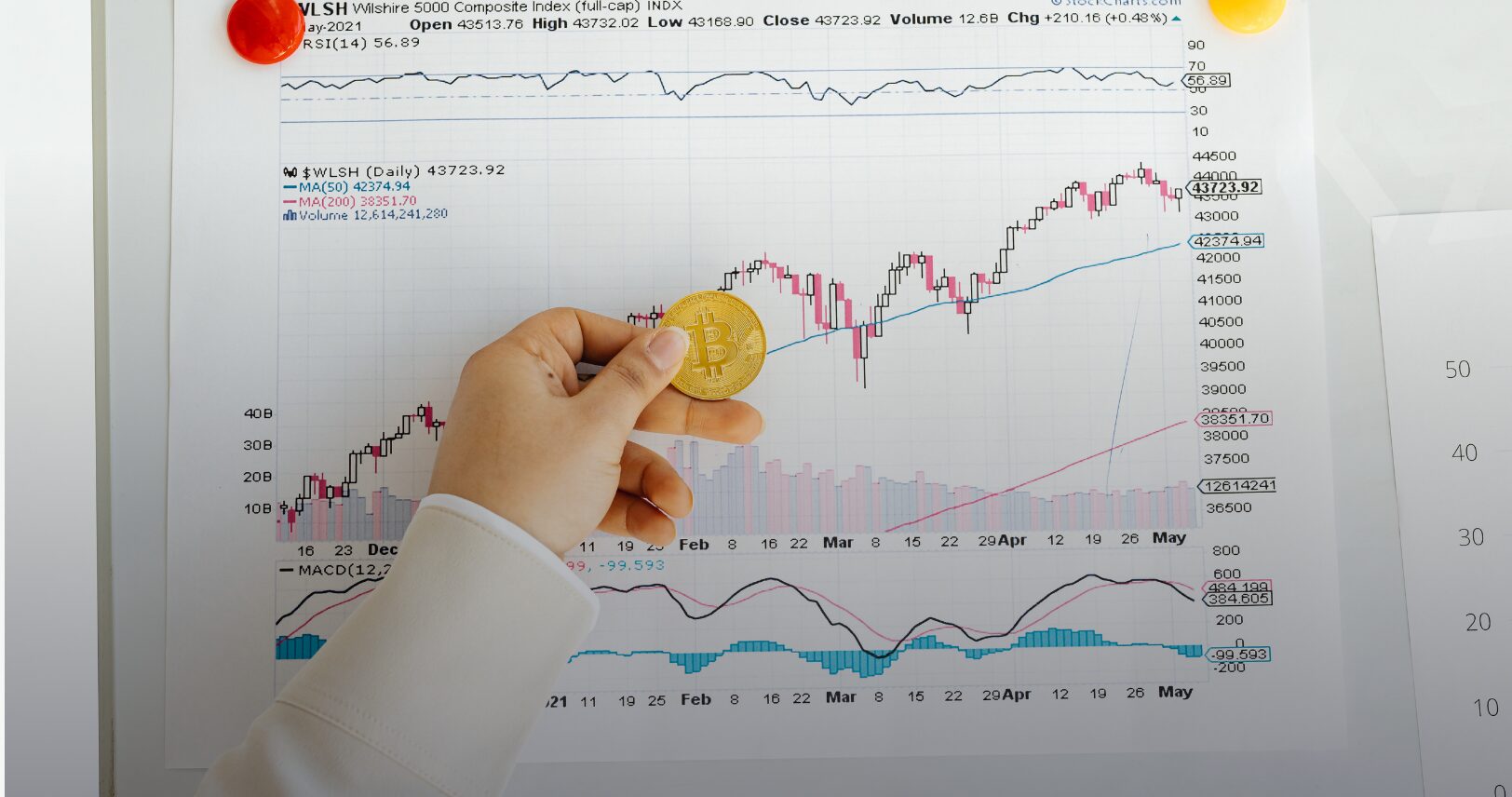
Someone who is bad at investing and even recognizes it in his portfolio needs to recognize his patterns to become better. Here are some examples of how bad investors approach investing.
Panic selling
When the market dips, the emotional brain screams “get out!” to prevent further pain. Panic selling turns unrealised losses into real losses. Unless someone sells at a loss, the loss will not count, and being emotional destroys the compound growth potential of any long-term portfolio.
Relying on “expert” insights
A bad investor relies on others’ insights to make a decision, such as buying a token or selling stocks. The issue is that they rely on influencers from X with no backing and fail to verify their source, understand the reason, or even read the company’s financials.
Herd mentality
Humans are naturally social creatures and find safety in numbers. In investing, however, the crowd can often be wrong. Investors who lack experience often buy when the market is euphoric, whereas seasoned traders know that this is usually the time to be cautious. Following the herd ensures you are always late to the party and, more importantly, the last one to leave when the market turns.
What good investment requires
Transforming from someone who isn’t a profitable investor and makes bad decisions requires a mindset switch. It requires patience and understanding that real wealth isn’t built overnight; it’s the result of consistent actions over a long period of time.
Knowledge is important for understanding what you are investing in, to avoid panic selling and relying on “experts.” This provides insights into the whys and hows of the market.
Understanding that not every investment is suitable for your personality can help investors save a lot of money. If they are emotional, they can switch to a long-term strategy to avoid staying consistently connected and making bad decisions every day.
Finally, it requires structure, prioritizing safety, and tracking performance. When investors understand what they’ve done to lose or make money, they can turn those insights into recurring actions.
Transform your financial future
If you realize you are bad at investing, that isn’t a life sentence; it’s an opportunity to learn and explore other options. People who are emotional and have a track record of being punished by their impulses can switch to other investment types.
Yieldfund, a Dutch quantitative trading company, offers investment plans with weekly returns that don’t require active trading. Users select one of the plans and access an up to 48% yearly return without the hassle of trading or losing money due to their strategies.
Explore platforms that offer structured opportunities and let your capital work for you, rather than letting your emotions work against you.
FAQ
What are common mistakes made by new investors?
From our experience, new investors focus on volatility and risk, and they consistently check their portfolio, which leads to added stress and the likelihood of selling at a loss.
What are the top signs of a bad investor in small business ventures?
A bad investor in business prioritizes a quick exit over sustainable growth, pushes for control rights that hamstring the founder, or disappears when challenges arise. Misalignment in values and patience is a major red flag.
Do 90% of investors lose money?
Yes, 90% of new investors will lose money in the first year, and a similar percentage of crypto investors will be unmotivated to continue to invest. Those who attempt to time the market day by day often underperform simply by buying and holding.