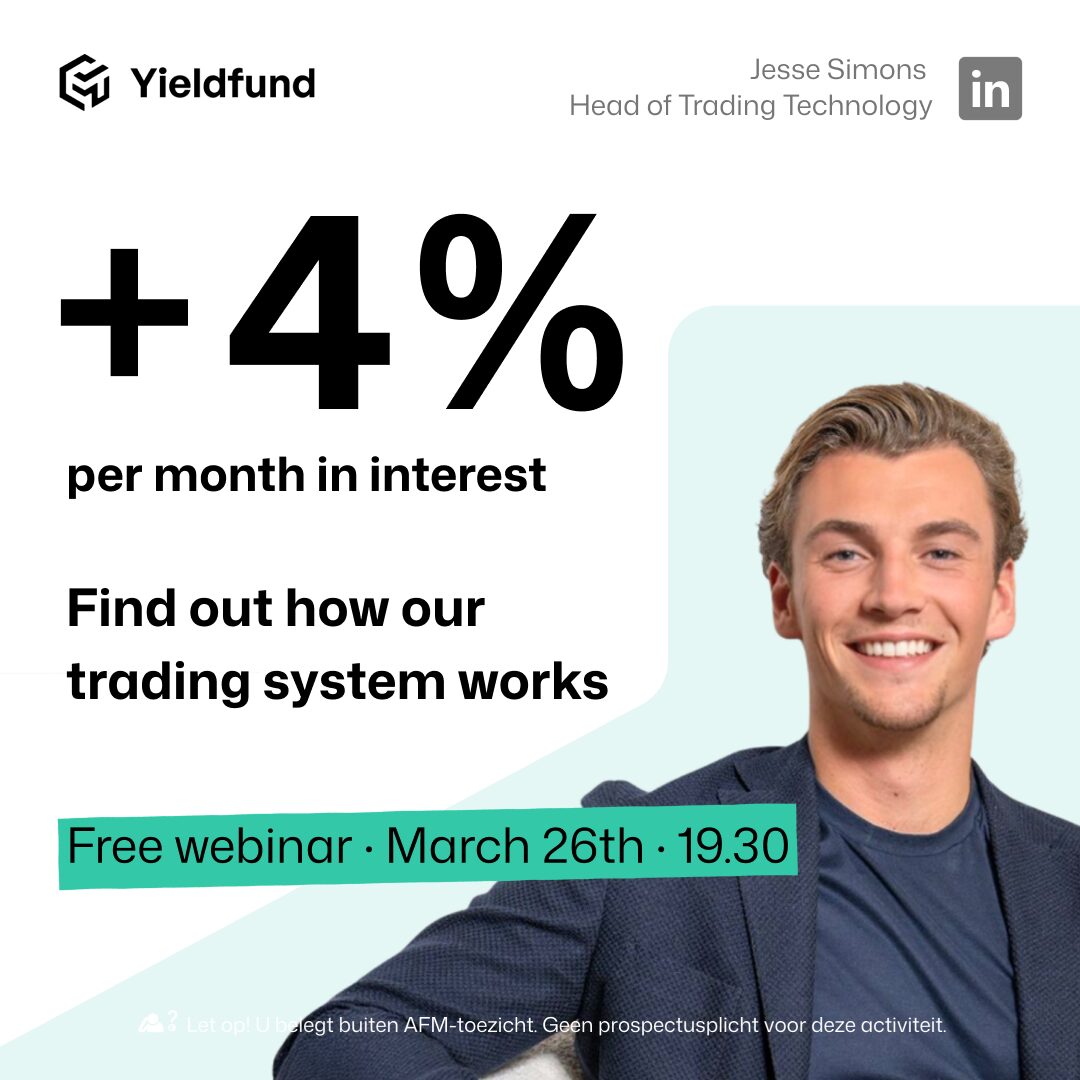
What does a 48% annual interest rate actually earn you if you invest €10,000 today? For most investors, the main concern is how long it takes to see a return. At Yieldfund, our three-year plan focuses less on “when” you will see results and more on how quickly you can reach your break-even point. There’s a spoiler; it’s much faster than anyone would anticipate
How weekly crypto returns work
Weekly crypto returns mean that if you invest, you can expect to receive payouts from the company consistently. With a one-time deposit, Yieldfund provides consistent stablecoins payouts directly into users’ wallets.
When investing, weekly crypto returns are programmed for you. This means your designated wallet is credited every Monday. While some investors see this as a way to break even quickly, others see it as a way to generate passive income with crypto.
One major benefit of investing with Yieldfund is immediate access to your returns—no need to wait months or years. Once stablecoin payments are credited, you can use them right away, reinvest, or save as you see fit.
How the 48% / 3-year plan works
If you know how an investment plan works, you know when you’ll have access to capital and when you’ll eventually break even. With quantitative trading companies like Yieldfund, investors have all the information immediately available.
The minimum investment in Yieldfund is below the industry average. Investing with quantitative-trading companies typically requires an initial investment of over €50,000. On Yieldfund, it starts with a one-time deposit. Once that’s paid, people can start crypto returns every month.
There are three investment plans: 1, 2, or 3 years. With the three-year plan, investors can generate passive income throughout the plan. They receive 4% monthly returns, which are paid in stablecoins – USDC.
Here’s how the entire process works:
- €10,000 is deposited with Yieldfund through a transparent process.
- Investors select the 48% annual return plan that lasts for three years.
- €400 in payouts are generated every month.
- Every week, receive ~€92 in payouts to your crypto wallet.
With the payout structure the way it is, here’s what really matters.
Investors receive €400 per month. This equals a total of €4,800 per year at a 48% annual return.
In three years, you will generate €14,400, which is a 144% return on investment in a shorter period than normal. In total, investors receive €24,400, as the initial capital invested is repaid in full at the end of the plan.

When do you break even?
Under a three-year investment plan in stablecoins with 4% weekly returns, you can reach your break-even point in 25 months. For the remaining 11 months, the plan continues to provide weekly stablecoins payouts.
With weekly payouts of approximately €100, both new and experienced investors can establish a consistent stream of passive income. This reliable payout structure improves overall cash flow, providing the liquidity needed to pursue further financial opportunities.
Weekly payouts vs compounding strategies
Investors want to know how quickly they can access their capital. Traditional methods like bank deposits, government bonds, or ETFs often lock their funds, limiting flexibility. Interest is still generated, but it doesn’t resemble weekly crypto income because it’s not accessible.
For investors, it comes down to what strategy they want to follow. Long-term investments require compounding, which doesn’t provide immediate access to capital and often results in lower yields. Even government bond interest is typically designed just to match inflation numbers.
With Yieldfund, investors have immediate access to capital through weekly payouts while benefiting from higher interest rates. The return on investment with Yieldfund is approximately two years, and interest is paid out every Monday in USDC.
When comparing weekly payouts to compounding, the end goal of your investment matters most. If you want passive income from crypto and the ability to reinvest, weekly payouts offer that flexibility. If you are focused on a long-term strategy, then it’s important to compound your interest without accessing excess capital.
Risks of investing
No investment is completely risk-free. Anyone claiming otherwise is either unfamiliar with the investment world or unwilling to inform their audience. At Yieldfund, we prioritize transparency by addressing investor risks and educating them on quantitative trading.
Quantitative trading is associated with higher risk than traditional investments people know (savings accounts, government bonds, or even ETFs). Similarly, crypto is a more volatile asset class, and our system relies on price inefficiencies to trade with positions open for shorter periods of time.
At Yieldfund, every completed trade is fully transparent. We disclose both long and short positions, including specific entry and exit prices. By utilizing large positions within short trading windows, we maintain rigorous risk management while striving for consistent returns.
Before aiming for your 25-month break-even target, carefully assess your financial goals, available capital, and risk tolerance.
FAQ
How much does €10,000 earn per week in crypto?
With a three-year plan offering 48% annual returns and 4% yearly returns, you will receive €92.05 per month, paid directly into your crypto wallet.
Is a 48% annual crypto return realistic?
Yes, our trading algorithm enables us to deliver 4% annual returns to investors without the hassle of trading themselves.
When do you break even with weekly crypto payouts?
Investing in Yieldfund at a 48% annual return means you will break even with weekly payments after 100 weeks or 25 months.
Are weekly crypto returns paid in USDC?
Yes, at Yieldfund, we pay returns directly to users’ USDC wallets every Monday.
What are the risks of passive crypto income?
From our knowledge, the only risk people have when following passive income strategies is to lock capital for a longer period.
Are weekly returns better than monthly compounding strategies?
We found that weekly returns were higher for users who want immediate cash flow, helping them further diversify their investments.sion. While investing can be seen as risky, it still provides a way to retain the value of the money without overexposure or unnecessary risks.