In January 2026, commodities like gold and silver reached record highs but also entered a period of volatility. Gold surged past 5,595 per ounce for the first time in history, while silver saw similar gains, quadrupling in price since April 2025.
In a sharp reversal, gold slumped roughly 4-5%, and silver tumbled nearly 9%, snapping a powerful rally that many analysts described as “parabolic,” demonstrating that even “safe-haven” assets are susceptible to geopolitical uncertainty.
What is driving the gold frenzy
To understand the drop, it’s important to look at the broader context that pushed precious metals to new highs. It wasn’t about supply and demand. Instead, it referred to trust.
Rising geopolitical tensions worldwide and new economic policies have led to reduced trust in global currencies. Analysts describe this as a”debasement trade” when investors are looking for safe havens that aren’t as susceptible to volatility.
The aggressive policies by the Trump administration have created uncertainty in the market. Additionally, the dollar has continued to weaken.
From punitive tariffs to threats of military intervention in regions like Iran and Greenland, the geopolitical landscape has become increasingly unpredictable.
Finally, and probably one of the more important aspects investors are looking at is the political influence on the Federal Reserve. This led to lower confidence in the US’s monetary policy, making gold the primary beneficiary.
Unexpected market changes
We’re used to volatility being a feature or a defect of the crypto market. On January 29, gold and silver saw similar volatility when the Trump administration announced it was preparing to nominate Kevin Warsh for Federal Reserve chair.
Compared to the current Fed chair, Warsh is more hawkish in pushing down inflation, which has led the dollar to appreciate. Since gold is priced in USD, a potential USD comeback would make it more expensive to acquire.
Data from the World Gold Council (WGC) shows that, while central banks have acquired commodities, their purchases were 21% lower than during a similar period.
What investors often forget is that corrections are healthy in any market. With gold surging from $3,000 to past $5,500, without a meaningful correction, the price increase could have been perceived as a bubble. Now, the dynamics have changed.
Is the “Safe Haven” status overstated?
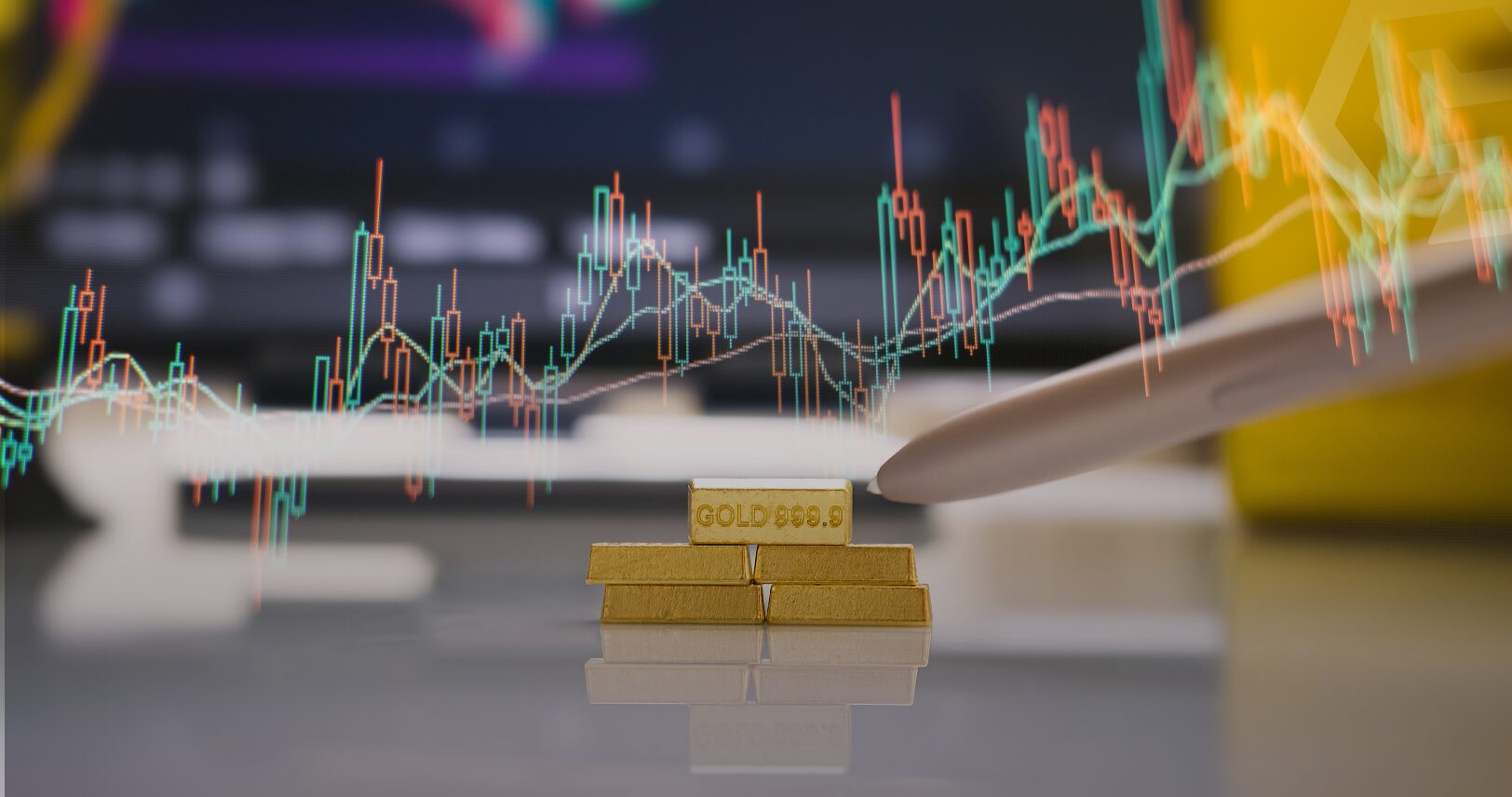
Gold is traditionally viewed as the ultimate hedge against inflation and disaster. However, recent volatility challenges the notion that it is a stable store of value in the short term.
Recent trading sessions saw gold drop sharply by over 4% in a single day following reports of a potential new Federal Reserve nominee. Silver tumbled nearly 9% in the same period. These violent swings remind investors that while gold may preserve wealth over decades, it can be incredibly risky over days or weeks.
Global gold ETFs have seen significant inflows, adding over 800 tonnes of gold, making this the second-strongest year for ETF acquisitions on record. This trend indicates a shift in investment priorities, with jewelry demand supplemented by institutional interest, as banks and investment funds favor the precious metal over equities like the S&P 500.
Money flows don’t signal whether one asset class is overbought or overvalued. Instead, they hint at how investors are pricing the market and what they’re expecting in the short term.
Potential 2026 outlooks
Gold’s sharp decline has rattled investors, but the outlook remains bullish amid ongoing geopolitical tensions, tariffs, and global economic uncertainty. Gold saw an additional 3% pullback in early European trading, but major financial institutions still have positive expectations for 2026.
Gold’s 2026 trajectory depends heavily on factors such as interest rates, the dollar index, and how “affordable” precious metals are for investors.
But if the “debasement” narrative persists, the floor for gold prices could remain significantly higher than in previous years.
Thus, the “parabolic” nature of recent moves implies that corrections are not only possible but likely. A prudent approach is to view precious metals as part of a diversified portfolio rather than a get-rich-quick scheme.